Home / Amino acids
What are amino acids?
Amino acids are small organic molecules with an amino group and an acid group. Linked together, they become peptides and proteins — the materials of life.
Small molecules, huge jobs
Amino acids look tiny on paper, but they decide how proteins fold, how neurotransmitters form, and how your body recovers.
Below: essential vs non-essential — and why food still matters even for the ones you can make.

The twenty-letter alphabet
Humans mainly use about twenty standard amino acids. Think of them as letters. Proteins are words and paragraphs written with those letters. The order matters: the same letters in a different order make a different protein with a different job.
Beyond building tissue, free amino acids act as messengers, energy sources, and raw material for neurotransmitters, hormones, and antioxidants such as glutathione.
Essential, non-essential, and conditional
Essential (must eat)
Histidine, isoleucine, leucine, lysine, methionine, phenylalanine, threonine, tryptophan, and valine. Your body cannot make enough of these, so food must supply them.
Non-essential & conditional
Your body can synthesize several amino acids. Under stress, illness, or intense training, some become “conditionally essential” — demand outruns production (examples often include glutamine and arginine).
For a practical checklist of foods and daily habits, open the essential guide.
Branched-chain amino acids (BCAAs)
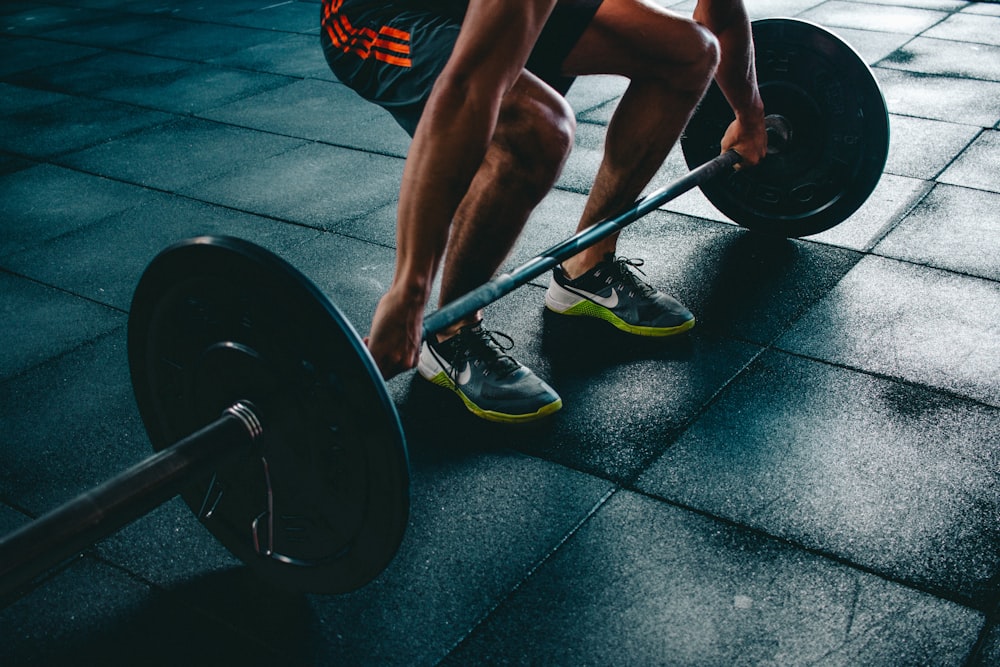
Leucine, isoleucine, and valine are special: muscle tissue burns them for fuel and uses leucine as a strong signal to start protein synthesis. That is why athletes talk about BCAAs — and why protein quality matters after training.
- Leucine: triggers muscle-building pathways when overall protein is adequate.
- Isoleucine: involved in glucose uptake into cells and energy metabolism.
- Valine: supports energy and tissue repair alongside its partners.
Amino acids, sugar, and diabetes
Some amino acids stimulate insulin release. Others can be converted into glucose in the liver (gluconeogenesis). Circulating patterns of certain amino acids are also linked with insulin resistance. Explore the dedicated pages:
Lifestyle shapes your amino acid pool
Diet quality, sleep, stress hormones, alcohol, gut health, and aging all change how amino acids are absorbed, used, and recycled. See what helps — and what depletes — on the lifestyle page.
After training, letters become muscle
Leucine-rich meals help switch on rebuilding. Pair movement with protein timing for the best signal.